What Application Modernization Programs Should Know About The AWS Management Console
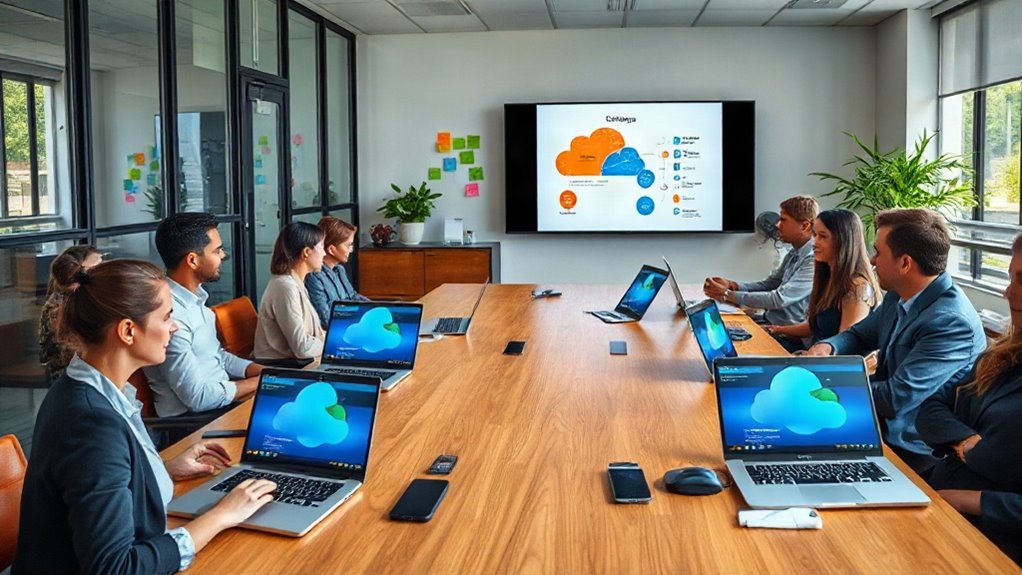


What Application Modernization Programs Should Know About The AWS Management Console is a useful way to think about more useful monitoring without losing sight of daily operations. Small, well-timed changes often create more value than a rushed rebuild. Simple steps are easier to test, explain, and improve. A good approach starts with the systems, people, and goals already in place. The value comes from clear choices, not from adding more tools. A clear scope keeps the work tied to real needs. The AWS Management Console can help application modernization programs make cloud work easier to plan and manage.
For application modernization programs, the first task is to define what should change and what should stay stable. Set a few clear goals for the first stage of work. List the main apps, data stores, network paths, and outside links. Start with a plain map of the current systems and how people use them. Record key choices so new team members can understand the reason behind them. Choose work that solves a known problem or removes a clear risk. Use short review cycles so weak assumptions do not stay hidden for long.
One practical step is to review aws management console in the context of existing systems, cost needs, and the way the team already works. Choose a support model that matches the pace and importance of your systems. Ask how success will be measured in day-to-day terms. Ask how the provider handles planning, change control, support, and knowledge transfer. Make sure documentation is part of the work, not an optional final task. Review how risks and open questions will be tracked. Good advice should include tradeoffs, not only one preferred tool.
Brief Overview
- Small, measured changes are often easier to support than one large platform shift.
- Monitoring should focus on signals that help teams make a clear decision or take action.
- Cost, security, reliability, and delivery need to be reviewed as connected concerns.
- Cloud cost control improves when resources have clear owners and regular usage reviews.
- Useful support leaves clear documentation, ownership, and a path for ongoing improvement.
Build a Delivery Model the Team Can Repeat for Application Modernization Programs
In this stage, the team should connect aws account management with access control and operational checks. Start with a plain map of the current systems and how people use them. Use shared naming rules to make services easier to find. Ownership should be visible for systems, data, and spend. Record key choices so new team members can understand the reason behind them. Note which services are critical and which can wait. Review policies after real projects show where they help or slow work. Ask who owns each system and who approves changes. Keep the first plan small enough to review with the full team.
Keep the discussion tied to more useful monitoring, since that gives the team a simple test for each choice. Keep account, project, and environment boundaries clear. Note which services are critical and which can wait. Review policies after real projects show where they help or slow work. Records of key choices help support and audit work later. List the main apps, data stores, network paths, and outside links. A small set of strong rules is often easier to maintain than a long list. Start with a plain map of the current systems and how people use them. Good governance should reduce repeated debate.
Turn Governance Into Simple Working Rules With The AWS Management Console
In this stage, the team should connect aws account management with resource review and operational checks. Ask who owns each system and who approves changes. Keep build, test, and release steps easy to follow. Review slow steps often, since delays can move from one stage to another. Keep the first plan small enough to review with the full team. Do not automate a broken process before the team agrees on the fix. Keep rollback steps simple and ready for use. Automate repeat work when the process is stable and well understood. Set a few clear goals for the first stage of work.
When outside guidance is useful, gcp manage service can form part of a wider review of workload needs, risks, and day-to-day ownership. Avoid changing tools just because a new option looks popular. Teams need clear rules for who can approve and run sensitive changes. Do not automate a broken process before the team agrees on the fix. Start with a plain map of the current systems and how people use them. Note which services are critical and which can wait. Keep build, test, and release steps easy to follow. Make test results visible so teams can act before release day.
Create Better Handoffs Between Teams During More Useful Monitoring
In this stage, the team should connect aws account management with resource review and service setup. A simple runbook can save time when pressure is high. Operations need clear signals about health, cost, and risk. A strong process makes safe work easier, not harder. Teams should compare cost with service value, not chase the lowest bill at any cost. Rightsizing should follow real usage rather than guesswork. Patch plans should match https://cloud-reliability-guide.raidersfanteamshop.com/how-google-cloud-consulting-fits-into-a-practical-cloud-strategy the risk and use of each system. Use labels or tags in a consistent way to make ownership clear. Keep logs for key account and service changes. Test recovery paths because security also includes the ability to restore service.
Keep the discussion tied to more useful monitoring, since that gives the team a simple test for each choice. Capacity choices should protect user needs as well as budget goals. Monitor the services that users and business teams depend on most. Short cost reviews can reveal waste early. Track changes so teams can link new issues to recent work. Shared cost rules help engineering and finance speak the same language. A useful cost plan also covers data transfer, storage, and support needs. Good cost control is a habit, not a one-time cleanup. Give people only the access they need for their role.
Start With the Current State and a Clear Goal for Long-Term Use
In this stage, the team should connect aws account management with operational checks and cost visibility. Keep backup and restore steps documented and test them on a set schedule. Alerts should point to action, not just create more noise. Regular reviews help teams fix small issues before they become large ones. Use labels or tags in a consistent way to make ownership clear. Monitor the services that users and business teams depend on most. Make sure documentation is part of the work, not an optional final task. Keep standards short enough that people can understand and use them. Define what a normal day looks like before setting many alert rules.
Keep the discussion tied to more useful monitoring, since that gives the team a simple test for each choice. A service partner should explain the work in terms your team can test and review. Set clear review points for high-risk or high-cost changes. The provider should make ownership clear during and after the project. Keep standards short enough that people can understand and use them. Use labels or tags in a consistent way to make ownership clear. A useful engagement should leave your team with more clarity and control. Review policies after real projects show where they help or slow work.
Frequently Asked Questions
What should a team review before choosing support for the aws management console?
No. Many teams can improve the current setup in stages. A full rebuild may add risk when the main need is better operations, cost control, access, or automation. The right path depends on the current system. Simple documentation helps the team keep the decision useful over time.
What is the main purpose of the aws management console?
It should connect with normal operations rather than sit outside them. Monitoring, access reviews, cost checks, release routines, and recovery plans all need clear owners. That keeps improvements useful after the project closes. Small tests are often the safest way to confirm the plan before wider use.
How should a team measure progress with the aws management console?
It can support cost control when the work includes ownership, usage review, budgets, and sensible capacity choices. Cost should be balanced with reliability and user needs. Cheap service that fails often is not a useful result. Simple documentation helps the team keep the decision useful over time.
Can the aws management console help with cost control?
It is worth considering when manual work, unclear cost, release risk, or support load starts to slow the team. A short review can show whether the issue needs new tools, a new process, or better use of the current setup. For application modernization programs, the exact answer should reflect workload needs and team skills.
Does the aws management console require a full cloud rebuild?
Preparation starts with basic facts. List key workloads, owners, pain points, access needs, and recent cost or reliability issues. This gives the team a shared starting point and reduces guesswork during planning. Simple documentation helps the team keep the decision useful over time.
Summarizing
The AWS Management Console can be most useful when application modernization programs connect the work to a clear goal such as more useful monitoring. Ask who owns each system and who approves changes. Note which services are critical and which can wait. Good cloud work is easier to sustain when people understand both the goal and the process. A shared plan helps teams spot gaps before a change reaches production. List the main apps, data stores, network paths, and outside links. A simple operating model can help the team keep gains after outside support ends.
Keep the final plan simple enough that the team can explain, run, and review it without constant outside help. Practical decisions made in the right order can reduce risk and make future change easier. Use labels or tags in a consistent way to make ownership clear. Good support models state who responds, when they respond, and what they need. The best next step is usually a clear review of the current state and the most important need. Review access rights often and remove access that is no longer needed. Good cloud work is easier to sustain when people understand both the goal and the process.